Wood Species Selection Guide
Compare hardwoods, softwoods, and exotic species by hardness, workability, cost, and rot resistance — find the right wood for every project
Common Hardwoods
Hardwoods come from deciduous (leaf-shedding) trees and are generally denser, harder, and more expensive than softwoods. They are the primary choice for furniture, cabinetry, and decorative work. Here are the species you will encounter most often:
White Oak
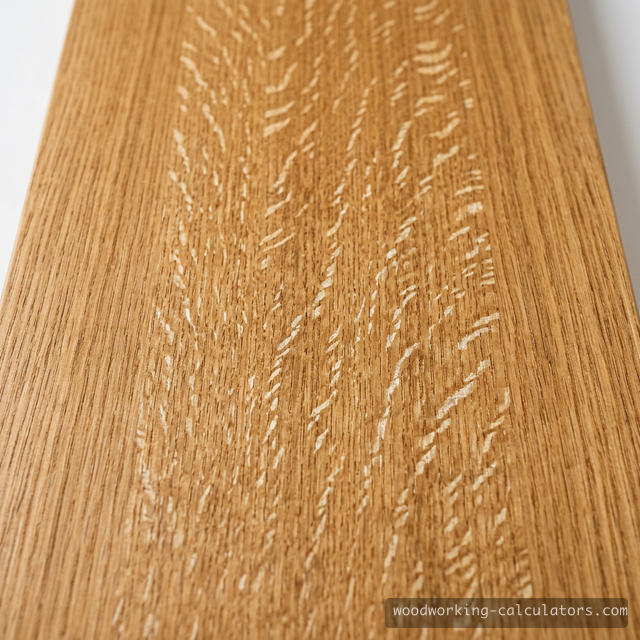
Janka hardness: 1,360 lbf. The workhorse of American woodworking. Closed pores make it naturally water-resistant — suitable for outdoor furniture, boat building, and whiskey barrels. Quartersawn white oak shows dramatic ray flake figure. Excellent staining properties. Cost: $4-8/BF. Best for: dining tables, kitchen cabinets, outdoor furniture, flooring.
Red Oak
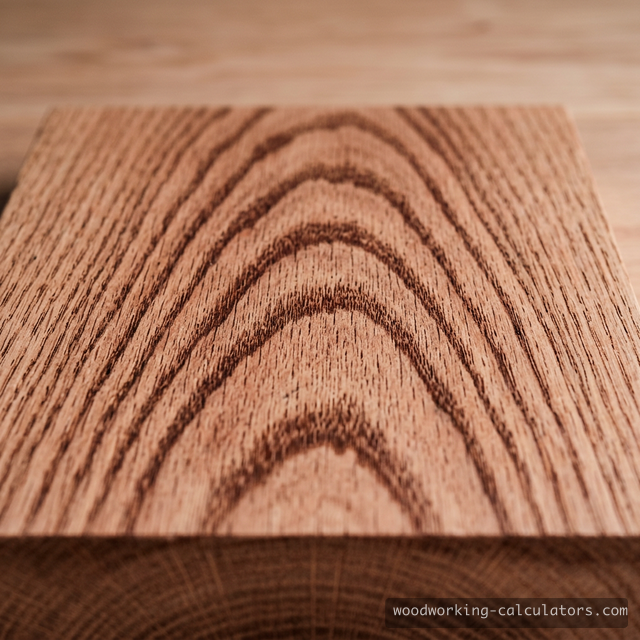
Janka: 1,290 lbf. More affordable than white oak ($3-6/BF) with a more prominent, "busy" grain pattern. Open pores mean it is NOT suitable for outdoor or water-contact use — liquid wicks through the end grain. Takes stain well but has a strong pinkish hue that bleeds through lighter stains. Best for: interior furniture, cabinets, trim, flooring.
Hard Maple (Sugar Maple)
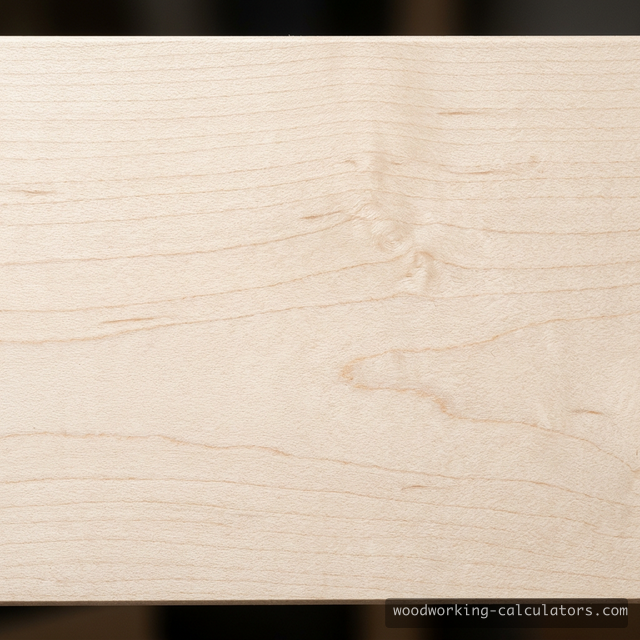
Janka: 1,450 lbf. One of the hardest domestic hardwoods with a fine, closed grain that polishes beautifully. Light cream color makes it ideal for contemporary furniture and cutting boards (food-safe, dense enough to resist knife marks). Curly and bird's eye figured maple commands premium prices ($12-30/BF). Plain maple: $5-8/BF. Best for: cutting boards, butcher blocks, workbench tops, contemporary furniture, turned items.
Black Walnut
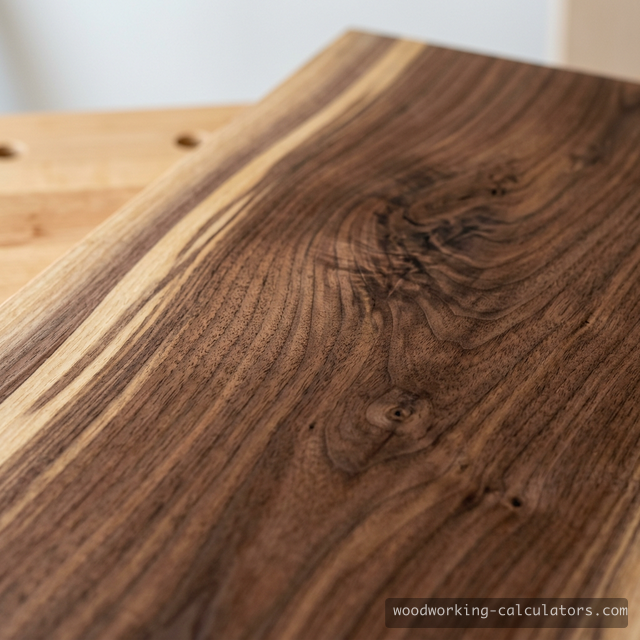
Janka: 1,010 lbf. The prestige wood of American woodworking. Rich chocolate-brown heartwood with lighter sapwood creates natural contrast. Moderate hardness makes it easy to work with hand tools. Naturally resistant to insects. The most expensive common domestic hardwood at $8-14/BF. Best for: fine furniture, gun stocks, turned bowls, jewelry boxes, accent pieces.
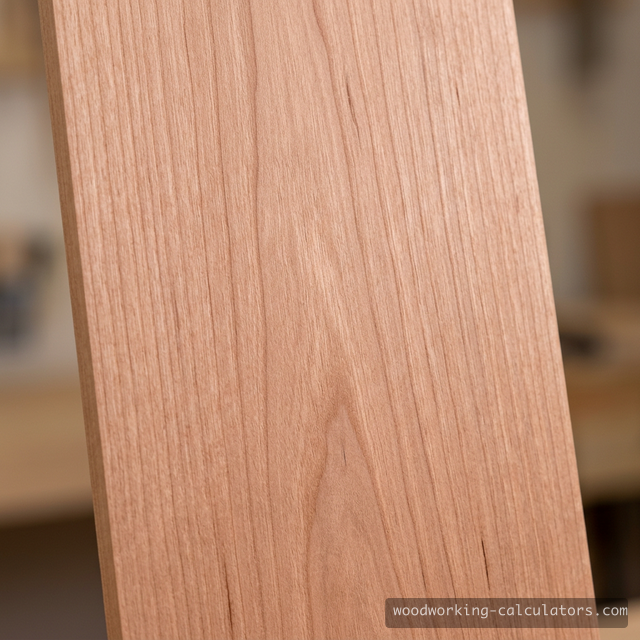
Cherry (American Black Cherry)
Janka: 950 lbf. Starts as a light pinkish-brown and darkens dramatically with UV exposure to a deep reddish-brown over 6-12 months. Fine, straight grain with occasional gum pockets (considered a character feature). Moderate hardness and excellent workability. $6-10/BF. Best for: fine furniture, cabinets, case goods, musical instruments.
Common Softwoods
Softwoods come from coniferous (needle-bearing) trees. They grow faster, cost less, and are easier to work — making them ideal for beginners, construction, and projects where paint is the final finish.
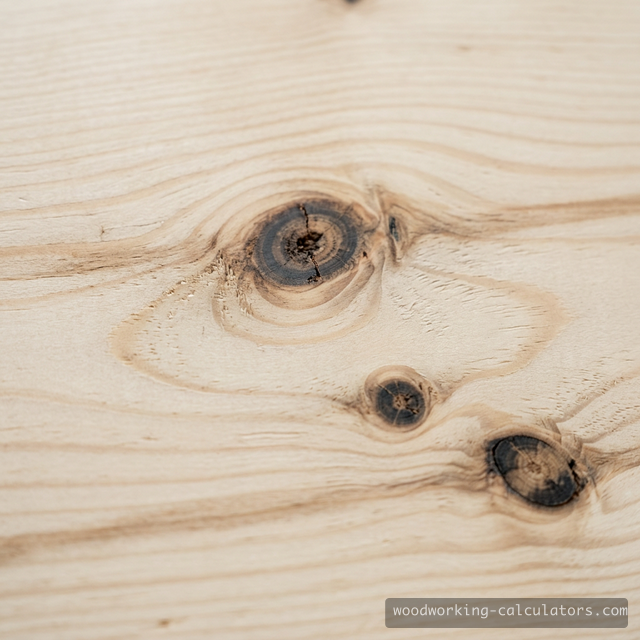
Eastern White Pine
Janka: 380 lbf. The quintessential beginner-friendly wood. Very soft, easy to cut with hand tools, takes paint exceptionally well. Too soft for heavily used surfaces (dents easily). Economical at $2-4/BF. Common in widths up to 12 inches. Best for: painted projects, shelving, practice joinery, colonial-style furniture, paneling.
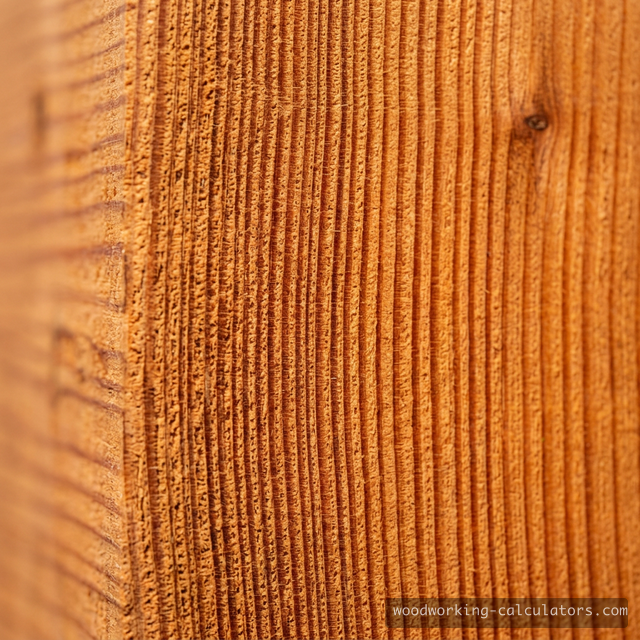
Douglas Fir
Janka: 660 lbf. Significantly harder than most softwoods with a distinct straight grain and warm amber color. Excellent strength-to-weight ratio makes it the standard for structural timbers, but also suitable for furniture. Widely available as dimensional lumber. $2-5/BF. Best for: workbench tops, structural projects, timber framing, shelving.
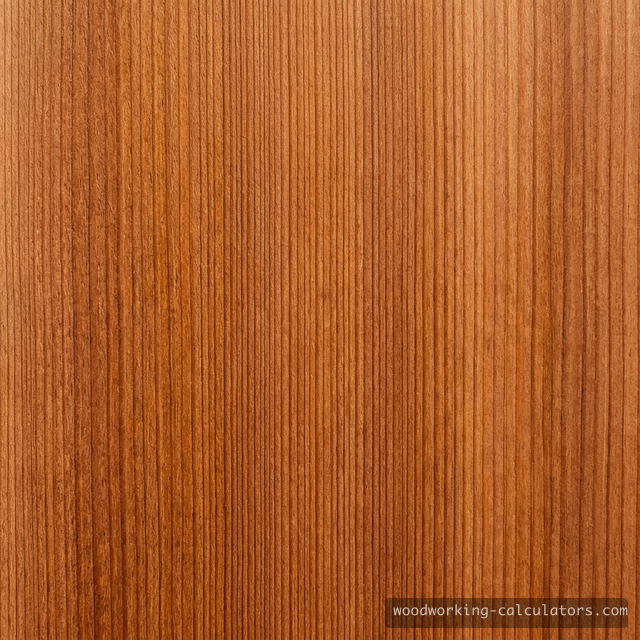
Western Red Cedar
Janka: 350 lbf. The premier outdoor wood — naturally resistant to rot, insects, and weathering with a lifespan of 15-20 years untreated. Lightweight, aromatic, and easy to work. Very soft — not suitable for high-wear surfaces. $3-7/BF depending on grade. Best for: decks, fences, outdoor furniture, closet linings, siding, garden beds.
Exotic & Specialty Species
Exotic woods offer properties unavailable in domestic species — extreme hardness, natural oils, vivid colors, and exceptional rot resistance. They cost more and can be harder to work.
Ipe (Brazilian Walnut)
Janka: 3,680 lbf. The hardest commonly available wood, 3x harder than oak. Naturally rot-resistant for 25-40+ years outdoors without treatment. Practically impossible to work with standard tools — requires carbide-tipped everything and pre-drilling for every fastener. $8-15/LF for decking. Best for: decking, boardwalks, outdoor structures, marine applications.
Teak
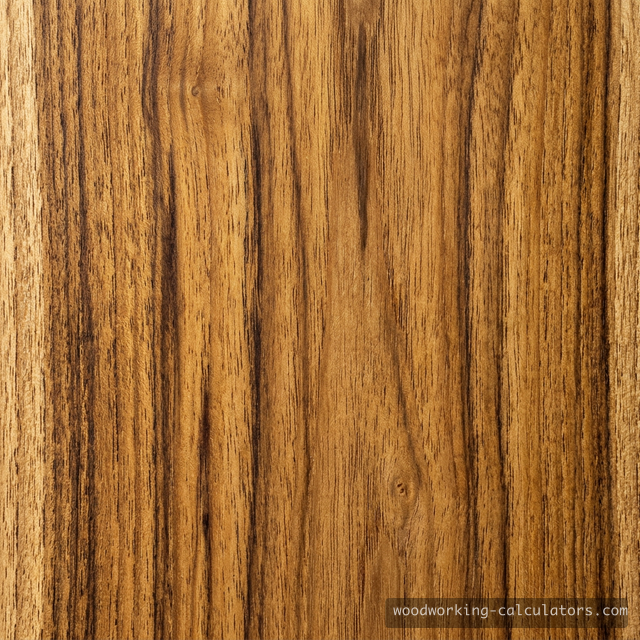
Janka: 1,070 lbf. Contains natural oils that repel water and resist rot — the gold standard for marine and outdoor furniture. Moderate hardness and pleasant to work. Plantation-grown teak is $12-20/BF. Best for: boat fitting, outdoor furniture, shower benches, garden furniture.
Padauk (African Padauk)
Janka: 1,725 lbf. Vivid orange-red color that darkens to deep brown over years. Hard, dense, and stable. Popular for accent pieces, cutting board stripes, and turned items. $8-14/BF. Best for: accent inlays, cutting board accents, turned items, decorative pieces.
How to Choose the Right Wood
Selecting wood involves balancing five factors against your project requirements:
| Factor | What to Consider | Calculator |
|---|---|---|
| Hardness | Higher Janka = more durable for tables, floors. Lower = easier to work by hand. | Density Calculator |
| Workability | Softer woods are forgiving; hard/exotic species dull blades and require carbide tooling. | — |
| Stability | Some species (teak, mahogany) move very little; others (red oak, beech) move a lot seasonally. | Expansion Calculator |
| Cost | Pine at $2-4/BF vs walnut at $8-14/BF. Material cost can be 60% of project budget. | Lumber Cost Calculator |
| Rot Resistance | Only certain species survive outdoor exposure: cedar, white oak, teak, ipe. Others rot in 2-5 years. | — |
Buying Tips
Buy more than you need. Plan for 20-25% overage on hardwoods to account for defects (knots, sapwood, checking) and cutting waste. Softwoods are cleaner — 10-15% overage is usually sufficient.
Inspect every board. Look for twist (sight down the length), bow (lay it flat on the floor), and cup (check the end grain). Reject boards with splits, excessive knots in structural areas, or signs of insect damage.
Check moisture content. Kiln-dried lumber should be 6-8% MC for indoor furniture. Air-dried is typically 12-15% and needs further acclimation in your shop. Pressure-treated outdoor lumber arrives at 30-50% MC and needs weeks to dry before staining.
Consider grain orientation. Flatsawn boards show cathedral patterns and move more; quartersawn boards show straight grain, move less, and resist cupping but cost 20-30% more. Riftsawn is the most stable and most expensive. For table tops, quartersawn or riftsawn boards are worth the premium.
Recommended Calculators
Wood Density Calculator
Compare species by density, Janka hardness, and weight-per-volume. Essential for choosing between species for structural and decorative use.
Lumber Cost Calculator
Estimate material costs by species with BF pricing. Compare what the same project costs in pine vs walnut vs cherry.
Board Feet Calculator
Calculate how much lumber you need in board feet. Enter dimensions and get volumes with cost estimates per species.
Wood Expansion Calculator
Predict seasonal wood movement by species. Some species (teak) barely move; others (red oak) expand significantly.
Moisture Content Calculator
Verify lumber MC before starting your project. Kiln-dried should be 6-8%; air-dried typically 12-15%.
Wood Finish Calculator
Calculate finish quantities adjusted for species — open-pore woods absorb 30% more than closed-pore species.